Skin Longevity: 7 Powerful Keys to Resilient Skin
Table of Contents
From Anti-Aging to Skin Longevity: 7 Keys to Caring for Your Skin’s Future
For decades, skin care has been organized around one central promise: fighting the visible signs of age. Today, scientific and cosmetic conversations are evolving toward a broader, more realistic, and more respectful concept: skin longevity.
The goal is no longer to pursue a motionless or permanently youthful appearance. Instead, skin longevity focuses on helping the skin maintain the functions that support a healthy appearance over time, including a competent barrier, adequate hydration, balance, visible uniformity, comfort, and resilience against environmental stressors.
Skin longevity does not mean stopping time. It does not suggest that a cosmetic product can literally extend the biological life of skin tissue.
It is a long-term care framework.
Rather than reacting only when fine lines, uneven tone, dryness, or loss of visible firmness appear, skin longevity encourages consistent protection, maintenance, and support throughout every stage of life.
In this sense, skin longevity transforms a daily routine into a long-term investment in protection, consistency, and skin tolerance.
Quick definition: Skin longevity is a preventive, long-term approach designed to preserve skin barrier function, hydration, visible resilience, and a healthy-looking appearance over time. It combines sun protection, hydration, antioxidant support, sustainable habits, and well-tolerated formulas without promising to stop or reverse biological aging.
Why Traditional Anti-Aging Is No Longer Enough
The term “anti-aging” usually focuses on what can be seen: wrinkles, fine lines, uneven pigmentation, dullness, or a visible loss of firmness.
These concerns are valid, but they represent only one part of the skin-aging process.
Skin is also a dynamic barrier. It helps limit water loss, interacts with the external environment, and participates in protective and renewal processes.
As the years pass, changes may occur in skin thickness, elasticity, oil production, moisture retention, and tolerance.
When skin care focuses only on correcting one visible concern, it can easily become excessive.
More exfoliation, more active ingredients, and more products do not always lead to better results.
Overtreated skin may feel tight, appear flaky, develop visible redness, or lose luminosity, even when the routine includes popular or clinically studied ingredients.
Skin longevity changes the central question.
Instead of asking:
“How can I erase every visible sign of aging?”
It asks:
“What does my skin need to remain functional, balanced, comfortable, and visibly healthy in the years ahead?”
This shift does not dismiss the desire to improve appearance. It places appearance within a broader strategy that prioritizes skin comfort, tolerance, barrier support, and realistic expectations.
It also changes the language surrounding age.
Aging is not a defect that needs to be corrected. It is a universal biological process influenced by genetics, time, environmental exposure, and lifestyle.
Cosmetic care may help improve hydration, visibly soften texture, and support a more even or luminous appearance. However, it should not present aging as a disease or promise outcomes that cosmetics cannot responsibly deliver.
What Is Skin Longevity?
Skin longevity can be understood as the ability to preserve, for as long as possible, the qualities associated with healthy-looking and well-functioning skin:
- A stable skin barrier.
- Adequate hydration.
- Visible elasticity.
- A more even-looking tone.
- A comfortable skin feel.
- A balanced response to environmental stressors.
The concept is closely related to the emerging term skinspan: the period of life during which the skin maintains a strong level of visible health and function.
In general longevity science, there is a distinction between living longer and living more years with better function.
Skin longevity follows a similar principle.
The goal is not merely to “look younger.” It is to extend the period during which skin appears resilient, hydrated, comfortable, and well cared for.
The Biology Behind Skin Longevity
Skin changes as a result of both intrinsic and extrinsic influences.
Intrinsic factors include time, genetics, hormonal changes, and individual biology.
Extrinsic factors include:
- Ultraviolet radiation.
- Pollution.
- Tobacco smoke.
- Climate.
- Friction.
- Stress.
- Sleep patterns.
- Skin care habits.
The combination of environmental exposures accumulated throughout life is often described as the skin exposome.
Because skin is constantly exposed to the outside world, it provides a valuable model for understanding how environmental stress and biological aging interact.
Current skin-aging research studies several interconnected processes, including:
- Genomic instability.
- Epigenetic changes.
- Loss of proteostasis.
- Mitochondrial dysfunction.
- Cellular senescence.
- Changes in stem-cell activity.
- Altered communication between cells.
These concepts should not be reduced to simplistic marketing language.
They are complex scientific fields that require laboratory models, appropriate biomarkers, and carefully designed clinical studies.
Oxidative Stress in Skin and Redox Balance
Reactive oxygen species are not always harmful.
At physiological levels, they participate in cellular signaling and other normal biological activities.
The concern arises when their production exceeds the skin’s antioxidant and repair capacity. This imbalance is generally described as oxidative stress.
Ultraviolet exposure, pollution, tobacco smoke, and other environmental stressors may contribute to this imbalance.
Redox balance refers to the exchange of electrons involved in many biological processes.
In cosmetics, antioxidant or redox-support language should be used carefully.
A topical product may help complement a routine designed to protect the skin’s appearance against environmental oxidative stress. However, it should not imply that one formula controls every redox pathway in the body.
Skin Barrier, Hydration, and the Extracellular Matrix
The outermost layers of the skin help limit water loss and reduce the entry of irritants.
When the barrier is disrupted, the skin may feel dry, tight, sensitive, or uncomfortable.
A skin longevity strategy should therefore protect this first line of function through:
- Gentle cleansing.
- Appropriate moisturization.
- Reduced exposure to unnecessary irritation.
- Consistent sun protection.
In deeper layers, the extracellular matrix provides structural support through components such as collagen and elastin.
The organization and appearance of these structures change over time and may also be influenced by accumulated sun exposure.
A cosmetic product may improve the appearance of hydration, softness, smoothness, or firmness.
However, claims that a product permanently alters skin structure or biological function require a different level of evidence and may fall outside the cosmetic category.
Persistent Inflammation, Senescence, and Recovery
Scientific research also examines how chronic low-level inflammation and the accumulation of senescent cells may be associated with visible and functional skin changes.
These are complex processes.
They should not be presented as concerns that can be simply “removed” by a cream.
The most responsible practical recommendations are more measured:
- Reduce avoidable irritation.
- Use daily sun protection.
- Maintain a tolerable routine.
- Seek dermatological guidance for persistent symptoms.
- Avoid making one product responsible for every aspect of skin biology.
Skin Longevity: 7 Keys to a Long-Term Strategy
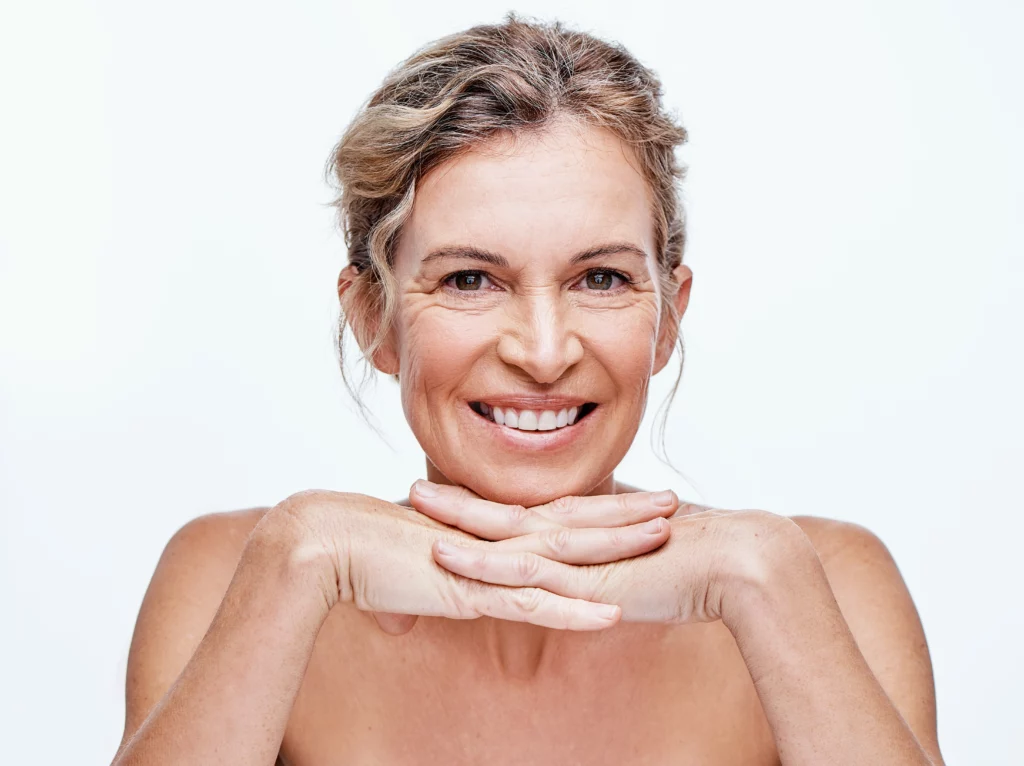
The following seven principles translate skin longevity into a practical plan that can be adapted to different ages, skin types, lifestyles, and cosmetic goals.
1. Protect the Skin From the Sun Every Day
Daily sun protection is the strongest foundation of any skin longevity strategy.
Accumulated ultraviolet exposure contributes to visible changes such as uneven pigmentation, fine lines, roughness, and loss of elasticity.
It is also associated with health risks that extend far beyond cosmetic appearance.
A broad-spectrum sunscreen with SPF 30 or higher should be applied to exposed skin and used according to the directions on the label.
Protection should be supported by:
- Shade.
- Wide-brimmed hats.
- Protective clothing.
- UV-protective sunglasses.
- Reduced exposure during periods of intense sunlight.
No antioxidant serum can replace sunscreen.
Antioxidants and sunscreen may have different roles within a routine, but the order of priority is clear.
First, reduce preventable exposure.
Then complement the routine with hydration, barrier care, and well-formulated cosmetic products.
2. Maintain a Comfortable Skin Barrier
A skin longevity routine should not leave the face excessively tight after cleansing.
It should not rely on burning, stinging, or intense peeling as signs that a product is working.
Cleansing should remove dirt, excess oil, sunscreen, and makeup while preserving comfort.
After cleansing, a moisturizer may help reduce the temporary appearance of dehydration lines and improve softness.
The ideal texture depends on:
- Skin type.
- Climate.
- Personal preference.
- Sensitivity.
- The other products in the routine.
Oily skin may still need hydration.
Sensitive skin often benefits from simpler routines and slower product introduction.
Potential signs of over-treatment include:
- Recurring stinging.
- Persistent tightness.
- Visible flaking.
- Prolonged redness.
- Sudden intolerance to familiar products.
When these signs appear, simplifying the routine may be more beneficial than adding another active ingredient.
3. Support the Skin Against Oxidative Stress
Oxidative stress is one of the concepts connecting environmental exposure with visible skin changes.
A reasonable support strategy may include:
- Daily sun protection.
- Reduced tobacco exposure.
- A varied diet.
- Antioxidant-containing cosmetic formulas.
- A routine that does not create unnecessary irritation.
The presence of the word “antioxidant” does not automatically make a product appropriate for every person.
Product performance depends on factors such as:
- Formula stability.
- Ingredient concentration.
- Delivery system.
- Packaging.
- Compatibility with other products.
- Individual tolerance.
New products should be introduced gradually.
A localized patch test may be appropriate for people with reactive skin or a history of sensitivity.
The goal is not to eliminate all reactive oxygen species.
That would be biologically unrealistic.
The goal is to build a care environment that minimizes avoidable stress and supports the skin’s visible appearance against daily environmental exposure.
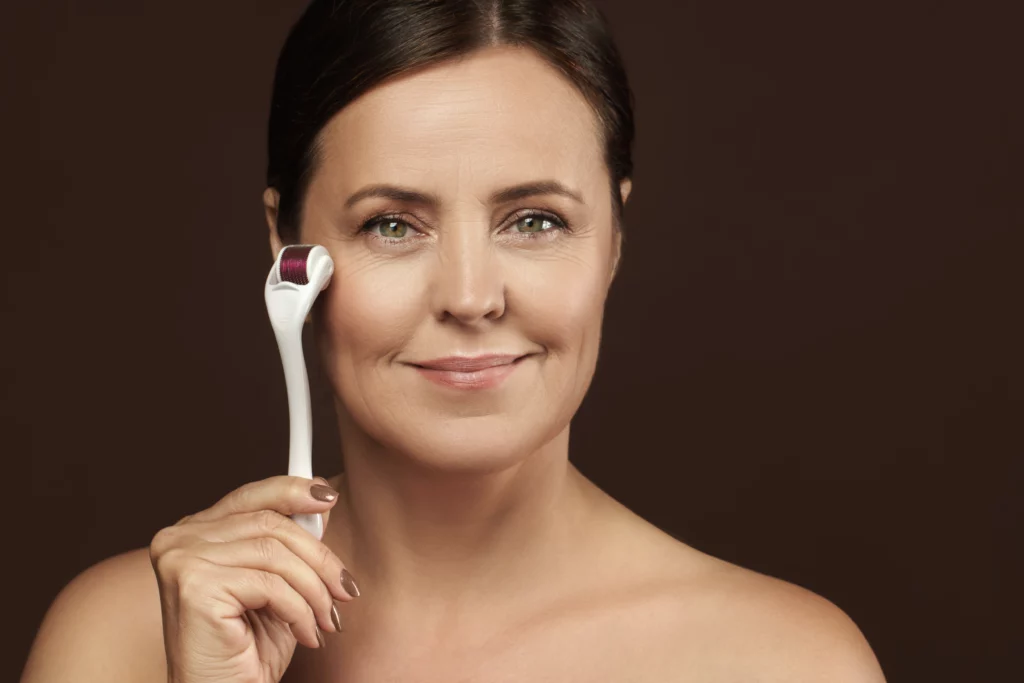
4. Choose Formulas That Work Together
Skin longevity depends more on a coherent routine than on a single “miracle” ingredient.
A gentle cleanser, one well-tolerated treatment product, a moisturizer, and sunscreen may create a more sustainable foundation than a crowded routine with several strong active ingredients.
Humectants, emollients, antioxidants, and conditioning ingredients can play complementary roles.
For example:
- Hyaluronic acid is commonly used to support surface hydration.
- Vitamin E is frequently included for antioxidant and skin-conditioning purposes.
- Oils and butters may provide emollient benefits.
- Botanical extracts may complement the sensorial and conditioning profile of a formula.
- Minerals may form part of a broader cosmetic technology platform.
Evidence differs significantly between ingredients.
It also differs according to concentration, formula, vehicle, stability, and measured outcome.
Evidence supporting an isolated ingredient should not automatically be applied to every product containing that ingredient.
Compatibility also includes user experience.
A pleasant texture, clear instructions, and a manageable number of steps can improve long-term consistency.
The best product is not necessarily the one with the longest ingredient list.
It is the one that responds to a real need, is well tolerated, and is used correctly.
5. Avoid Overloading the Skin
A common mistake is combining exfoliating acids, retinoids, vitamin C, scrubs, masks, and several treatment serums in the same routine.
Some of these ingredients may have evidence for specific cosmetic concerns.
However, combining too many active products may increase the likelihood of dryness, discomfort, or irritation.
More intensity does not always create more benefit.
To protect skin longevity:
- Keep cleansing consistent.
- Establish adequate moisturization.
- Use sunscreen every day.
- Introduce one treatment at a time.
- Observe tolerance before adding another product.
- Discontinue products that cause significant reactions.
People with rosacea, eczema, persistent acne, known allergies, pregnancy, breastfeeding, or medical treatment should seek professional guidance before introducing products that raise concerns.
Cosmetic care can support skin appearance and comfort.
It does not replace dermatological diagnosis or medical treatment.
6. Integrate Habits That Support Healthy Skin Aging
Healthy skin aging is not determined only by topical products.
A broader lifestyle context also matters.
Helpful habits may include:
- Avoiding smoking.
- Protecting the skin from ultraviolet exposure.
- Sleeping adequately.
- Maintaining regular physical activity.
- Managing stress.
- Eating a varied and balanced diet.
No individual food can “rejuvenate” the skin.
A balanced dietary pattern provides nutrients that the body uses in normal biological processes.
Oral hydration also supports general health.
However, drinking excessive amounts of water does not replace a topical moisturizer and does not independently correct every form of skin dryness.
Sleep may also influence how the skin’s comfort, brightness, and signs of fatigue are perceived.
The goal is not to create a perfect lifestyle.
It is to consistently reduce modifiable factors that may add unnecessary stress to the body and the skin.
7. Measure Visible Health, Not an Impossible Age
Skin longevity needs realistic indicators.
Instead of comparing the face every day with a younger version of itself, consider whether the skin:
- Maintains comfortable hydration.
- Tolerates the routine well.
- Feels less tight.
- Appears smoother.
- Looks more even.
- Supports a consistent daily routine.
- Recovers comfortably from ordinary environmental exposure.
Monthly photographs can be useful when they are taken with the same lighting, distance, camera, and facial expression.
Keep a simple record of:
- New products.
- Frequency of use.
- Visible changes.
- Sensitivity.
- Dryness.
- Comfort.
- Sun-protection consistency.
This helps prevent conclusions based on one day, inconsistent lighting, or digitally filtered images.
The goal is not poreless skin or a face without expression.
It is well-cared-for skin that maintains a healthy-looking appearance and a balanced relationship with the passage of time.
How Redox Technology Fits Into Skin Longevity
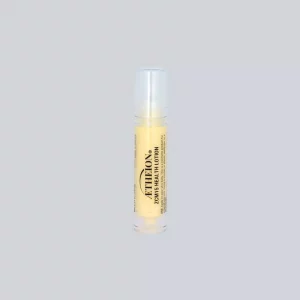
AETHEION® organizes its scientific positioning around Redox Technology and cosmetic formulas containing ionic minerals such as zinc, copper, and magnesium, together with hydrating, antioxidant, and botanical ingredients.
Within a cosmetic skin longevity strategy, this approach can be presented as support for hydration, conditioning, and visible skin resilience against environmental oxidative stress.
It should not be presented as a promise to alter biological age.
The philosophy aligns with skin longevity because it shifts attention away from one isolated correction and toward balance, daily maintenance, cosmetic nourishment, and long-term consistency.
Responsible communication should focus on cosmetic and visible benefits such as:
- Helping support hydration.
- Conditioning the skin’s surface.
- Improving the feeling of softness.
- Supporting a more luminous appearance.
- Promoting a more even-looking complexion.
- Complementing a routine designed for daily environmental exposure.
It is equally important to recognize the limits of cosmetic claims.
The body’s redox system is a highly complex biological network.
No topical product should be presented as capable of controlling every redox pathway, reversing age, repairing DNA, regenerating organs, or treating disease.
AETHEION® can differentiate itself through science, formulation, ingredient strategy, and transparency without relying on absolute claims.
Mistakes That May Undermine Skin Longevity
Expecting Immediate Transformation
Promises of total transformation overnight often create unrealistic expectations.
Hydration can quickly improve softness and temporarily reduce the appearance of dehydration lines.
However, this does not mean that the skin’s underlying structure has been permanently changed.
Confusing Irritation With Effectiveness
Mild tingling may occur with some products.
However, intense burning, pronounced peeling, or significant discomfort are not required for results.
Repeated irritation may interrupt the routine and reduce skin comfort.
Using Antioxidants Without Sunscreen
Antioxidants may complement a routine.
They do not replace a properly formulated and correctly applied sunscreen.
Skin longevity begins with daily protection.
Changing Everything at Once
Introducing several products at the same time makes it difficult to identify the cause of a reaction.
Add one new product at a time and maintain a simple record of use and tolerance.
Following Every Trend
Biotechnology, peptides, exosomes, senolytics, and other emerging fields generate significant interest.
However, not every innovation has the same level of clinical evidence, standardization, regulatory clarity, or formulation quality.
A responsible skin longevity strategy distinguishes between promising research and a demonstrated cosmetic benefit.
Support Your Skin’s Future With AETHEION®
Support Your Skin Longevity Journey With AETHEION®
Skin longevity begins with consistent, science-informed care. Explore AETHEION® formulas designed to support hydration, comfort, and visible resilience while complementing a daily routine focused on long-term skin health.
Discover AETHEION® skincare and begin building your skin longevity routine today.
OUR TOP RATED PRODUCTS