
The 10 Habits That Increase Free Radicals: How Everyday Choices Accelerate Oxidative Stress
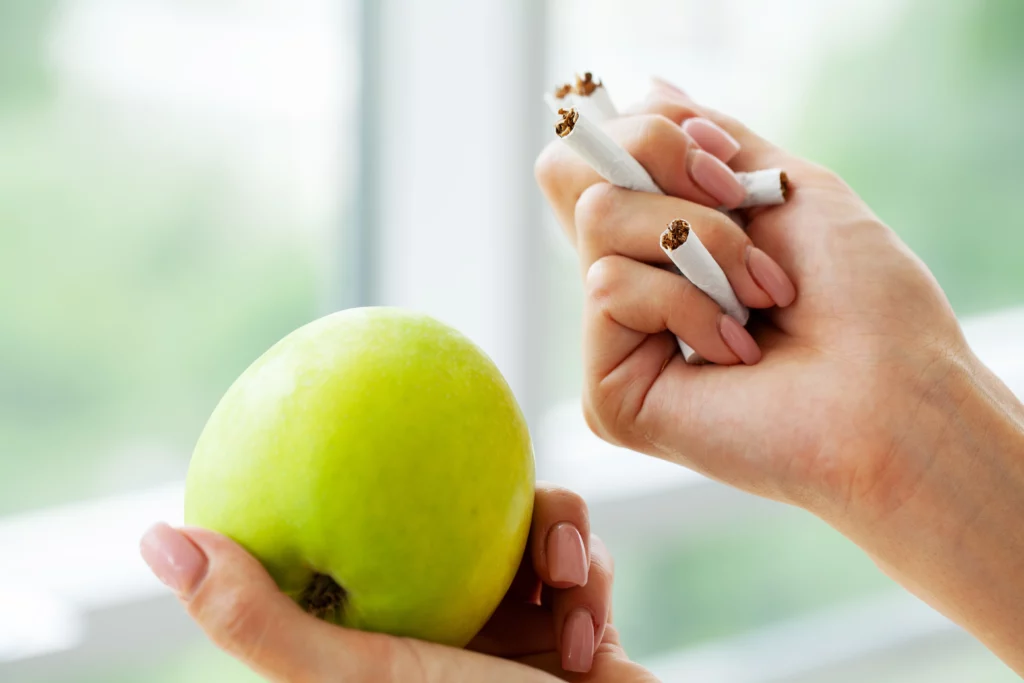
Understanding the habits that increase free radicals is one of the most effective ways to reduce oxidative stress and support healthier skin.
Oxidative stress is one of the most studied biological mechanisms associated with skin aging, cellular damage, and the gradual decline of tissue function. While free radicals are naturally produced during normal metabolism and even serve important signaling functions, excessive production overwhelms the body's antioxidant defenses.
Many people associate oxidative stress only with pollution or aging, but surprisingly, some of the strongest contributors are everyday lifestyle habits.
Understanding these behaviors helps explain why supporting the body's redox balance has become an important focus in modern skin science and healthy aging research.
In this article, we'll explore ten common habits that increase free radical production, how they affect the skin and body, and practical ways to minimize oxidative damage.
What Are Free Radicals?
Free radicals are unstable molecules that contain one or more unpaired electrons. Because of this instability, they readily react with nearby molecules, including:
- Lipids
- Proteins
- DNA
- Cellular membranes
- Mitochondria
Although they often receive negative attention, free radicals are not inherently harmful. They participate in:
- Immune defense
- Cellular communication
- Cicatrización de heridas
- Redox signaling
Problems arise when production exceeds the body's antioxidant capacity, resulting in el estrés oxidativo.
Why Oxidative Stress Matters
Many people unknowingly practice habits that increase free radicals every day, making lifestyle an important contributor to long-term oxidative damage.
Oxidative stress has been associated with:
- Premature skin aging
- Reduced collagen integrity
- Aumento de la inflamación
- DNA damage
- Mitochondrial dysfunction
- Pigmentation changes
- Impaired skin barrier function
The skin is particularly vulnerable because it is constantly exposed to environmental stressors such as UV radiation and pollution.

Below are the ten most common habits that increase free radicals according to current scientific literature.
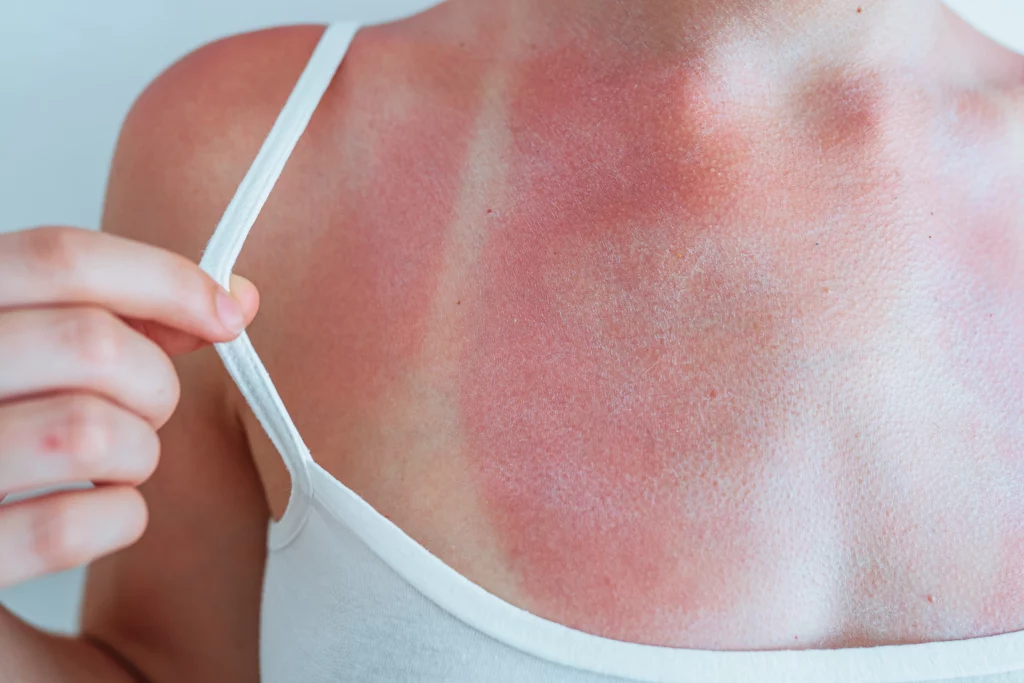
1. Sun Exposure Is One of the Habits That Increase Free Radicals
Ultraviolet (UV) radiation is among the strongest external generators of reactive oxygen species (ROS).
Both UVA and UVB radiation stimulate free radical production inside skin cells.
Research shows oxidative stress from UV exposure contributes to:
- Collagen degradation
- Elastin fragmentation
- Wrinkle formation
- Hyperpigmentation
- Photoaging
Better Habit
- Wear broad-spectrum sunscreen daily.
- Seek shade during peak UV hours.
- Wear protective clothing.
2. Smoking
Cigarette smoke contains thousands of chemicals, many of which directly generate reactive oxygen species.
Smoking increases oxidative damage while simultaneously reducing natural antioxidant levels, including vitamin C.
Consequences include:
- Accelerated wrinkle formation
- Dull complexion
- Retraso en la cicatrización de heridas
- Collagen breakdown
3. Poor Dietary Choices
Highly processed foods rich in:
- Refined sugars
- Trans fats
- Excess saturated fats
may promote oxidative stress and chronic inflammation.
A diet low in fruits and vegetables also limits antioxidant intake.
Better Choices
Focus on foods rich in:
- Vitamina C
- Vitamina E
- Polifenoles
- Carotenoides
- Selenio
4. Chronic Psychological Stress
Long-term stress elevates cortisol and other stress hormones that influence mitochondrial function and increase oxidative stress.
Studies suggest chronic stress may accelerate:
- Skin aging
- Inflammatory pathways
- Cellular senescence
Managing stress supports both overall wellness and healthier skin function.
5. Inadequate Sleep
Sleep is essential for cellular repair.
Poor sleep quality has been associated with:
- Increased oxidative biomarkers
- Reduced antioxidant enzyme activity
- Slower skin recovery
- Aumento de la inflamación
Adults should generally aim for 7–9 hours of quality sleep each night.
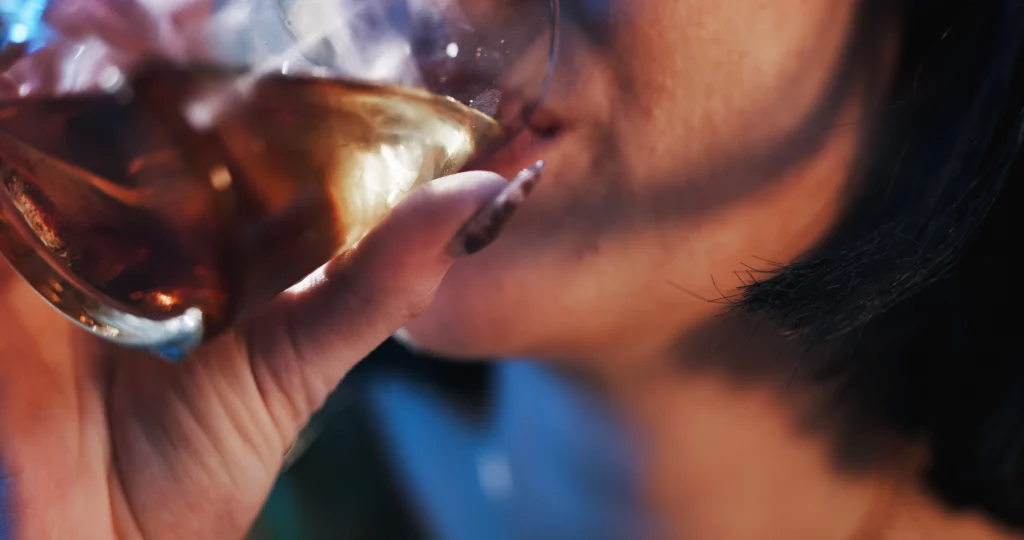
6. Excessive Alcohol Consumption
Alcohol metabolism produces acetaldehyde, a highly reactive compound capable of increasing oxidative damage.
Heavy alcohol consumption may:
- Increase inflammation
- Damage mitochondria
- Reduce antioxidant reserves
- Accelerate visible skin aging
7. Air Pollution
Environmental pollutants—including particulate matter (PM2.5), ozone, and nitrogen dioxide—can penetrate the skin and generate reactive oxygen species.
Research has linked pollution exposure with:
- Pigmentation disorders
- Arrugas
- Skin barrier disruption
- Increased inflammatory signaling
Daily cleansing and antioxidant skincare may help minimize environmental exposure.
8. Sedentary Lifestyle
Regular exercise enhances antioxidant defense systems.
Conversely, prolonged physical inactivity has been associated with:
- Reduced mitochondrial efficiency
- Increased oxidative stress
- Lower metabolic resilience
Moderate physical activity supports healthy redox homeostasis.
9. High Sugar Intake
Excess dietary sugar contributes to advanced glycation end products (AGEs).
AGEs:
- Increase oxidative stress
- Damage collagen fibers
- Reduce skin elasticity
- Promote premature aging
Reducing added sugars supports healthier connective tissue.
10. Environmental Toxin Exposure
Everyday exposure to:
- Industrial chemicals
- Heavy metals
- Certain pesticides
- Indoor pollutants
can increase reactive oxygen species formation.
While complete avoidance isn't always possible, reducing unnecessary exposure supports overall cellular health.
How These Habits That Increase Free Radicals Affect Skin Health
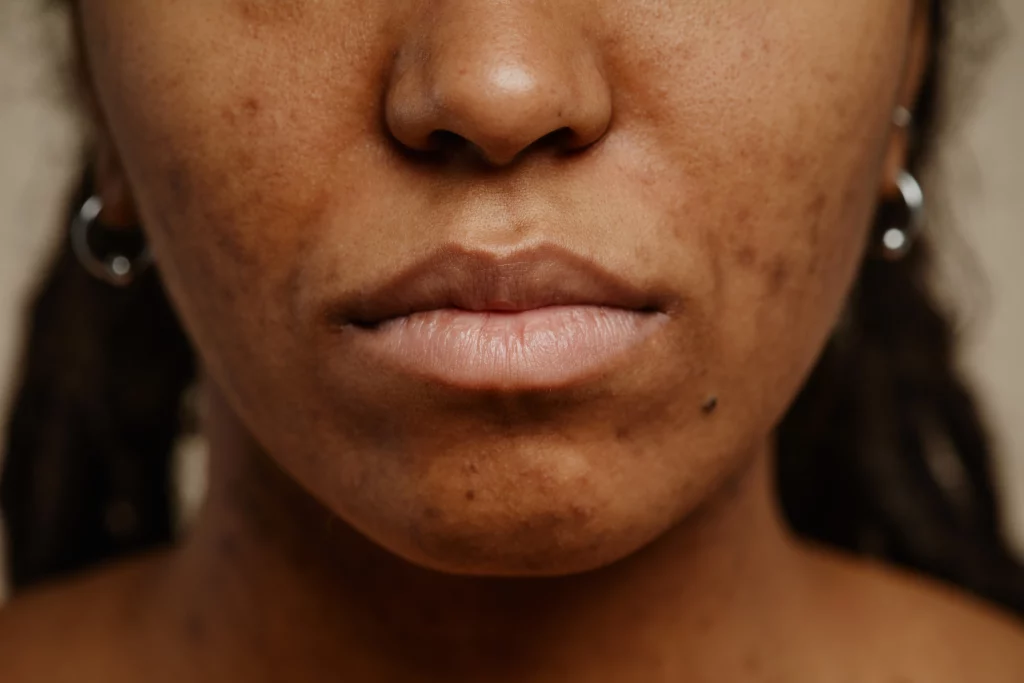
When oxidative stress persists over time, skin may experience:
Reduced Collagen Production
Free radicals activate enzymes called matrix metalloproteinases (MMPs), which degrade collagen.
Increased Inflammation
Oxidative stress activates inflammatory pathways that may contribute to visible skin aging.
Barrier Dysfunction
The skin barrier becomes less effective, allowing greater moisture loss and increased sensitivity.
Pigmentation Changes
Oxidative damage may influence melanin production, contributing to uneven skin tone.
Supporting Healthy Redox Balance
Although free radical production cannot—and should not—be eliminated, maintaining a healthy balance between oxidants and antioxidants supports normal cellular function.
Evidence-based strategies include:
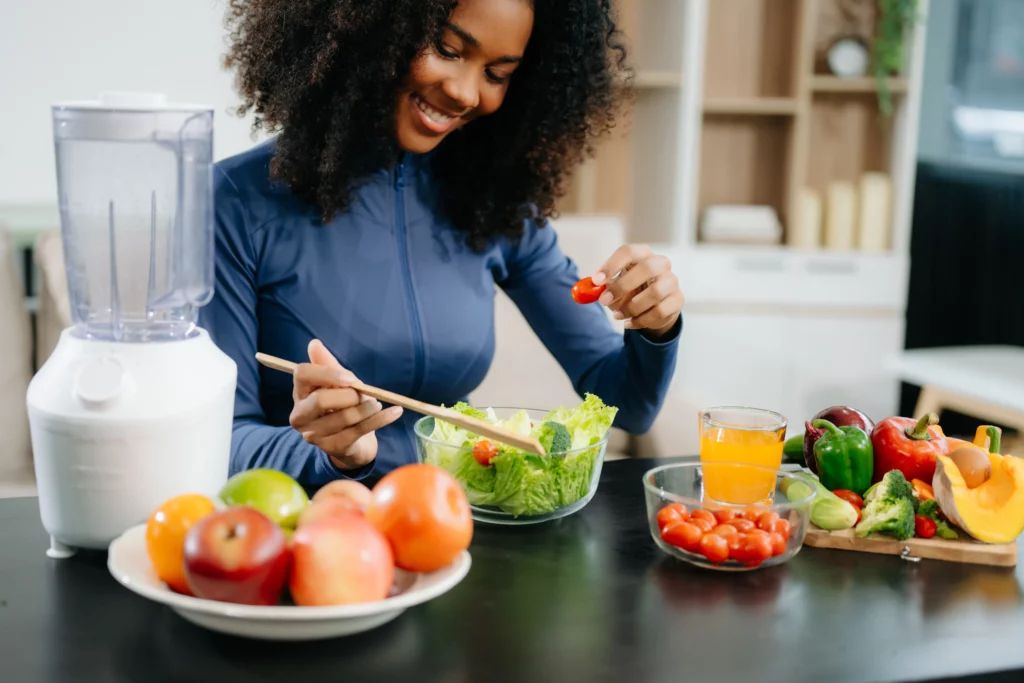
- Daily sun protection
- Balanced nutrition
- Regular physical activity
- Quality sleep
- Stress management
- Smoking cessation
- Moderate alcohol intake
- Consistent skincare
- Antioxidant-rich foods
- Technologies that support healthy redox signaling*
*Emerging research continues to investigate how redox-based technologies may help support normal cellular communication and skin health. These approaches are intended to support physiological processes and are not intended to diagnose, treat, cure, or prevent disease.
Conclusión
Free radicals are a natural part of human biology, but modern lifestyles can significantly increase their production.
Habits that increase free radicals, such as excessive sun exposure, smoking, poor diet, chronic stress, and inadequate sleep, can collectively contribute to oxidative stress that affects both skin appearance and overall cellular health.
By making informed lifestyle choices and supporting healthy redox balance, individuals can help maintain healthier skin and promote long-term wellness.
Preguntas Frecuentes
What are the most common habits that increase free radicals?
The most common habits that increase free radicals include smoking, excessive sun exposure, poor nutrition, lack of sleep, chronic stress, pollution exposure, excessive alcohol intake, physical inactivity, high sugar consumption, and environmental toxin exposure.
Does oxidative stress always cause aging?
Oxidative stress is considered one of several biological mechanisms associated with aging, alongside genetics, hormonal changes, and environmental factors.
Can diet reduce oxidative stress?
A diet rich in fruits, vegetables, whole grains, and antioxidant-containing foods supports the body's natural defense systems.
Is exercise beneficial?
Yes. Regular moderate exercise enhances endogenous antioxidant defenses and supports healthy mitochondrial function.
Can skincare help?
Topical antioxidants, sunscreen, and ingredients that support the skin barrier may help reduce environmental oxidative damage.
At Aetheion, we believe healthy-looking skin starts at the cellular level. Explore our collection of advanced redox-based skincare solutions designed to support your skin's natural renewal processes and promote a more radiant, youthful appearance.
Discover the science behind Redox Technology and explore Aetheion's skincare innovations today.
Artículos Recientes
OUR TOP RATED PRODUCT
-
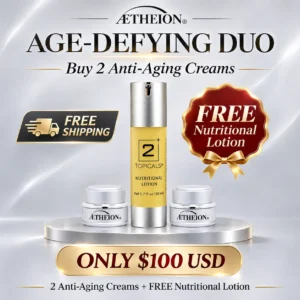 AETHEION® Age - Defying Duo
El precio original era: $140.00.$100.00El precio actual es: $100.00.

 English
 Español de México